Saharan dust episodes are becoming more severe across Europe, study finds | Sur in English
Health
Saharan dust episodes are becoming more severe across Europe, study finds
Research based on more than 18,500 measurements has found that ‘calima’ events are not occurring more often but are carrying higher concentrations of particles with growing health risks in Mediterranean regions

26/07/2026 a las 13:42h.
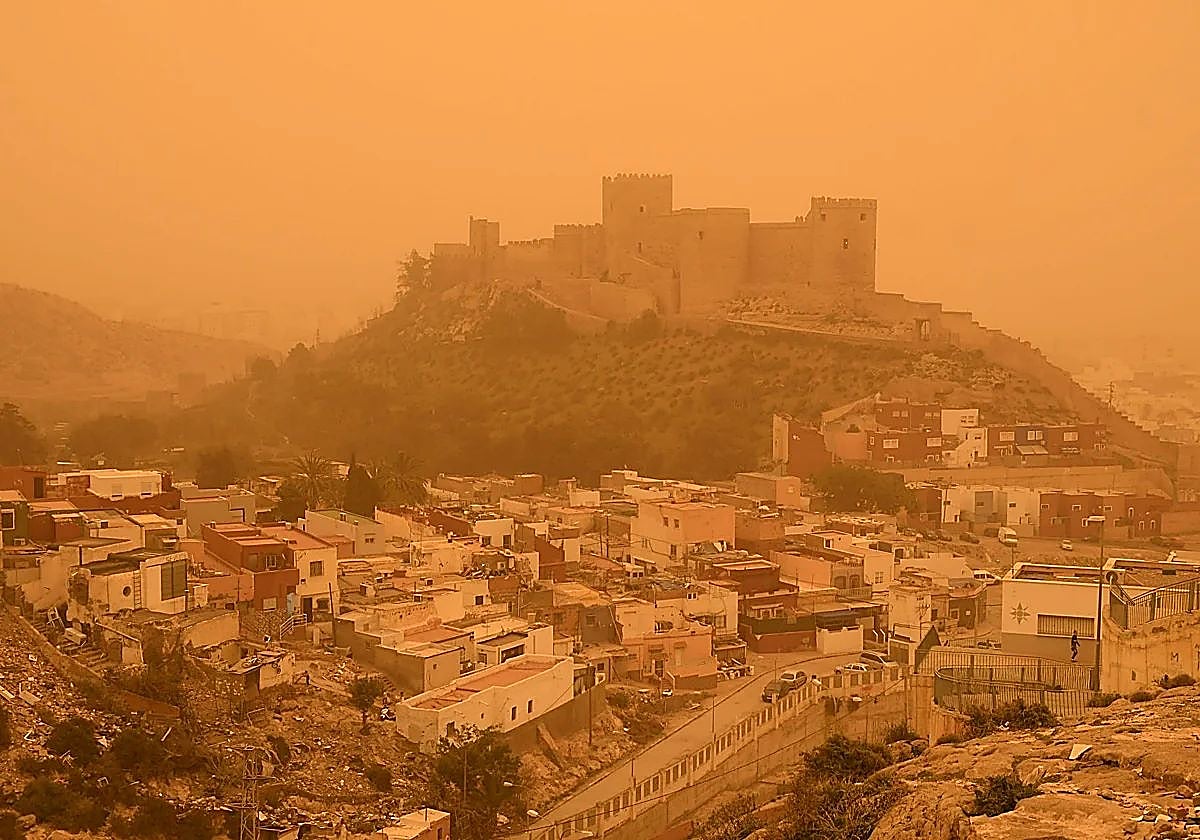
The arrival of Saharan dust in Europe in the form of calima, a weather phenomenon in which fine desert particles are carried through the …atmosphere, is becoming increasingly severe rather than more frequent, according to an international study published in Nature
The research suggests that mineral dust pollution is rising across Europe and could have significant consequences for public health, with the south of the continent and the Mediterranean basin experiencing the strongest impacts
The study was carried out by a large international team of scientists, including Petros Vasilakos, Imad El-Haddad and Kaspar Daellenbach from the Centre for Energy and Environmental Sciences at the Paul Scherrer Institute in Switzerland, alongside researchers from institutions across Europe
To reach their conclusions, the researchers compiled a database containing more than 18,500 daily measurements from 103 monitoring stations across Europe collected over a 10-year period
Using an artificial intelligence-based machine learning model, they were able to separate mineral dust arriving from desert regions from particles produced by local pollution
Rising dust levels, not rising frequency
A key finding of the study was that calima episodes have not become more common, but the amount of dust they carry has increased. During these events, concentrations of airborne particles are now higher than they were a decade ago under similar conditions
By analysing ice cores from the Alps, which preserve historical records of atmospheric conditions, the researchers found that the amount of deposited dust has increased by around 110 per cent since the pre-industrial period. They linked the rise to increasing aridity and desertification in North Africa, as well as changes in atmospheric circulation that are helping transport more dust towards Europe.
Although calima affects the continent as a whole, some of the most significant increases over the past decade have been recorded in areas including Italy and around the Adriatic and Aegean Seas
Growing public health concern
Saharan dust consists of tiny particles that can penetrate deep into the lungs when inhaled. The study estimates that during intense calima episodes, daily mortality increases by 0.67 per cent in affected areas
It also found that hospital admissions linked to respiratory problems rise during these events, with children under the age of 14 among the groups most at risk. Hospital admissions for this age group increase by 2.47 per cent during periods of intense dust pollution
The researchers describe these episodes as the result of climate and environmental processes that cross national borders. As global warming accelerates land degradation and changes wind patterns, Europe faces the challenge of reducing its own emissions while managing pollution transported thousands of kilometres from elsewhere
The study’s authors said improving the understanding and prediction of calima events would be essential to protecting public health and maintaining air quality
Need help choosing the right university or study destination?
Start your FREE JIUniversity Admission Assessment today and discover the best international study pathway for your academic goals.
Source: www.surinenglish.com