New student-visa requirements earn an “F” in economics | Column – AOL
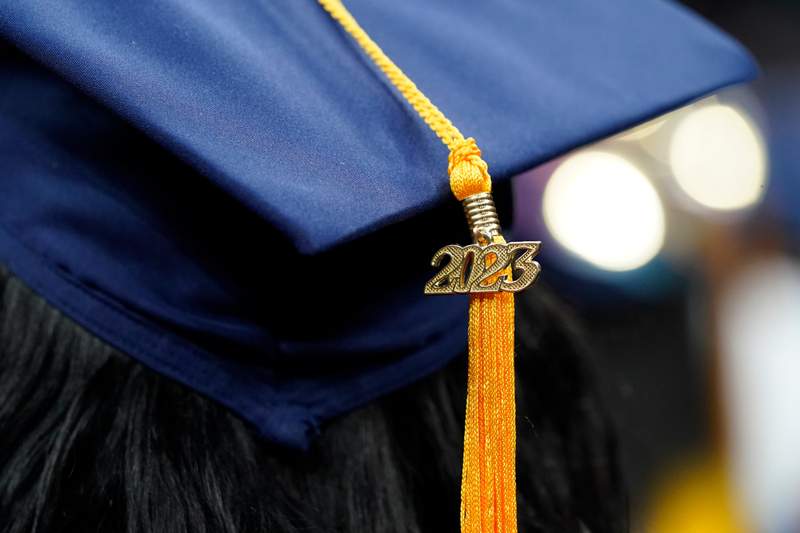
Excitement abounds as college students prepare to return to campus. Some students will begin their college experience. Others will begin the countdown to graduation

But for international students, fall is likely to bring significant anxiety. On Sept. 15, new rules for student visas will place them in a bind, harm universities and impose high costs on one of the country’s strongest service exports: education. During the 2024-2025 academic year, international students contributed almost $43 billion to the economy and supported 355,000 domestic jobs

Under existing policy, international students entering on a student or, “F visa” were granted “duration of status.” This means that such students could legally remain here as long as they were enrolled in school and were making satisfactory progress toward completing their degrees
For most, this would mean staying four years for a bachelor’s degree or two years for a master’s degree. Some students, however, could stay longer if necessary to complete their coursework or pursue additional, advanced degrees. This is not uncommon for international or domestic students. In fact, 30% of college students change their majors
Under the new rules, however, international students will be admitted to the United States for a fixed period. If an undergraduate is admitted for a four-year degree but needs an extra semester to complete his or her bachelor’s, the student must formally apply for a visa extension or leave the country and apply for a new visa
This change is not triDenial rates have hit record highs. Under current processes, students must apply for a visa and be interviewed by State Department officials at an American embassy. This process can take months at best. The new rule is unclear about how students will submit for extensions orwhatthe requirements will be
Alleged abuse of student visas has been used to justify the changes, but this lacks empirical evidence
Unfortunately, the new policy and the uncertainty surrounding it, combined with the high price of U.S. higher education and broader immigration policies, will likely push many international students to pursue education outside the United States. While some may see this as a benefit, it ignores the costs of losing bright international students. They bring many benefits to the United States and the local, state and national economies. For example, they spend money here they otherwise would have spent in other countries. Losing international students means losing that revenue. But the economic effects extend beyond that. U.S. educational institutions will lose tuition and other fees. Local businesses that provide housing, food, entertainment and other services any college student would use surely will lose out.
Many smaller schools are struggling as costs rise, and demographic shifts mean fewer students. International students have helped keep these institutions solvent. Significant declines in international enrollments would force many schools to cut personnel and services or close. Communities that rely on the economic activity surrounding local universities would lose revenue and jobs
While some may claim the new policy will help domestic students by preventing foreigners from “taking their seats” or diverting rehows that international students subsidize American students. International students often pay higher tuition, making it possible for more U.S. students to attend on scholarships
It’s not just small colleges and university towns that will suffer. Large U.S. research universities are globally known for advancing research in medicine, chemistry and technology. International students have played a key role in these advancements. Students who came to the United States as immigrants founded almost a quarter of U.S. billion-dollar startups. These types of businesses, and the foreign students who founded them, are key drivers of economic growth and progress.
If international students go, they’ll take growth and progress with them
If we really want to help U.S. students, universities and our economy, we should look for ways to expand the number of foreign students, not restrict it. The new policy is not only a solution in search of a problem; it is counterproductive on multiple margins
Abigail R. Hall is a senior fellow at the Independent Institute in Oakland, Calif., and a professor of economics at the University of Tampa. Michael A. Coon is an associate professor of economics at the University of Tampa
Need help choosing the right university or study destination?
Start your FREE JIUniversity Admission Assessment today and discover the best international study pathway for your academic goals.
Source: www.aol.com
Tag:Column, earn, economics, requirements, studentvisa