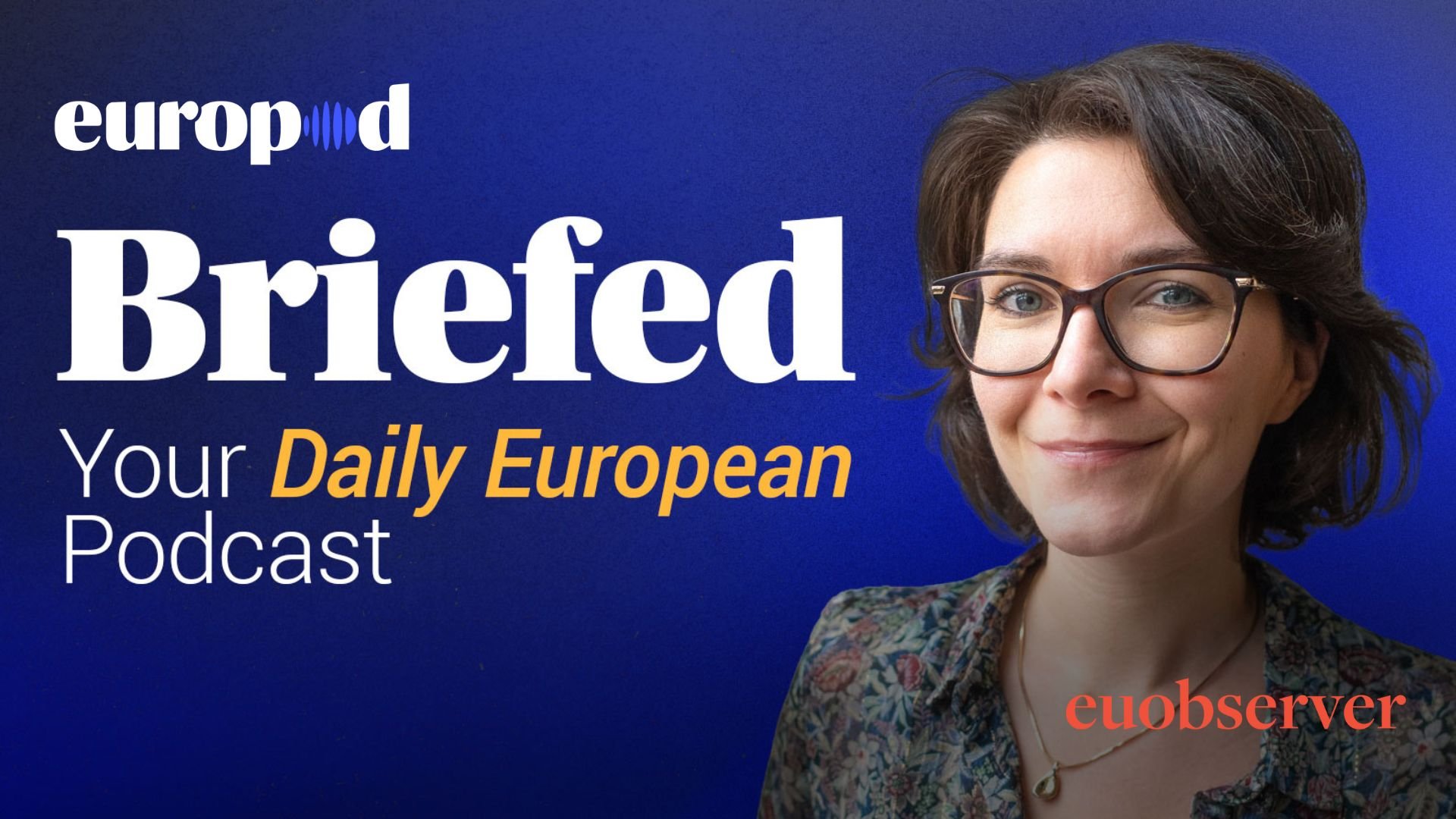
Listen: Why France is falling behind on cadmium?
Production: By Europod, in co-production with Sphera Network
EUobserver is proud to have an editorial partnership with Europod to co-publish the podcast series “Briefed” hosted by Léa Marchal. The podcast is available on all major platforms
You can find the transcript here if you prefer reading:
French bread could be more dangerous than what’s on the table in neighbouring countries.
Why? Because of cadmium, a toxic heavy metal, lurking in everyday foods
A recent study showed that French people were far more contaminated by cadmium than others
Why is France more contaminated than other countries?
What’s the deal with cadmium?
Cadmium is a heavy metal found naturally in soil, but its concentration varies depending on where you live. The real problem? Human activity, especially agriculture and industry, is making it worse. How? Through fertilisers mainly.
Many fertilisers contain cadmium, and when they’re spread on fields, the metal ends up in our food
Cereals are particularly affected. Bread, pasta, cookies—the staples of the French diet—are all affected
And cadmium is dangerous. It’s classified as carcinogenic, mutagenic, and toxic to reproduction.
A recent study by France’s food safety agency found that the French are three to four times more exposed to cadmium than their <a href="https://jiuniversity.com/river-salinisation-is-widespread-across-europe/” title=”River salinisation is widespread across Europe”>European neighbours
Why is France hit harder?
First of all, the natural soil composition varies from one place to another. Some French regions sit on limestone bedrock, which naturally contains higher levels of cadmium
Second, industrial pollution worsens the situation. Metallurgical activities add even more cadmium to the air and soil
But the real game changer is agriculture and more specifically, the fertilisers it uses. France doesn’t use more fertilisers than other countries, but the ones it uses are more concentrated in cadmium.
France imports most of its phosphate fertilisers from Morocco, where the rock — and therefore the phosphate — is naturally rich in cadmium.
In comparison, other European countries diversify their eir fertilisers (and food) contain less cadmium
What does the law say?
France is dragging its feet. Right now, it allows up to 90 mg of cadmium per kilogram of fertiliser — way above the 20 mg recommended by the food safety agency.
It is also above the EU limit, which is 60 mg per kilogram, because France got a temporary exemption to transition more slowly
Are other countries doing better?
Yes.
Sweden, the Netherlands, Hungary, Slovakia, and Finland have already adopted stricter limits — some even at the recommended 20 mg.
Because the EU regulation sets a limit, but allows Member states to be stricter
The EU plans to revise its rules to lower the cap to 20 mg, but current economic pressures might delay that
Meanwhile, consumers are advised to: Peel vegetables thoroughly, Cut back on wheat-based products, and choose organic when possible


Briefed is a new daily podcast covering stories around Europe (Photo: Europod)
Need help choosing the right university or study destination?
Start your FREE JIUniversity Admission Assessment today and discover the best international study pathway for your academic goals.
Source: euobserver.com