
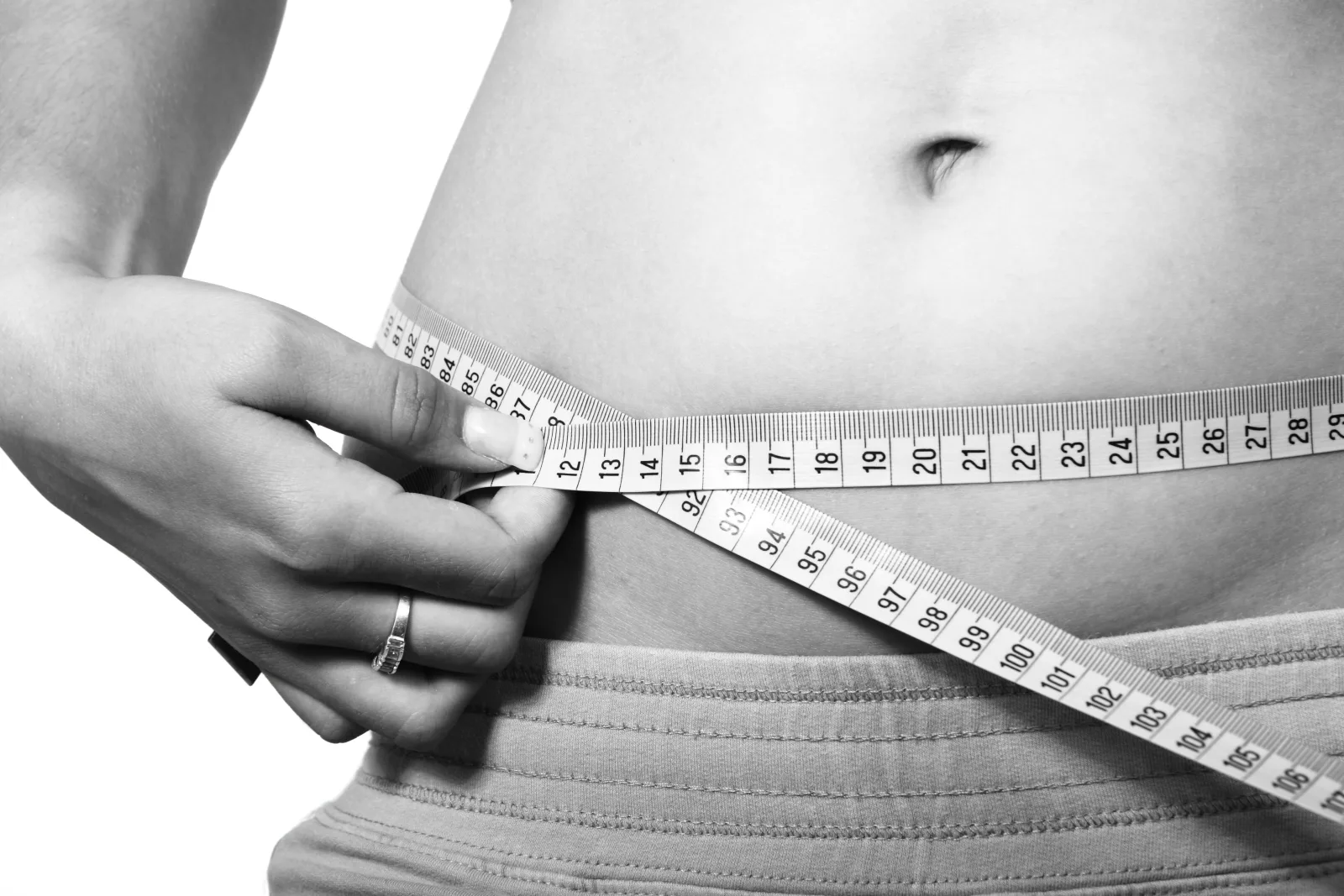
Obesity: a study on 844,108 adults reveals the blind spots of BMI
World
Obesity: a study on 844,108 adults reveals the blind spots of BMI
Updated 15 November 2026 at 00:59
SUMMARY
- Two medical situations behind the same diagnosis
The body mass index (BMI) underestimates obesity in 5.2 to 8.6 percent of the adults studied according to the cohorts, and overestimates it in 1.2 to 3.1 percent. These discrepancies emerge from an international study involving 844,108 people, published on Wednesday, November 11, 2026, in the scientific journal Nature
The researchers compared the usual classification, which is based on the ratio of weight to height, to a definition that associates BMI with waist circumference and the ratio of waist circumference to stature. This second calculation notably identifies individuals whose BMI remains in the overweight category, but whose abdominal measurements correspond to a greater excess of fat
The analysis brings together four data sets, including 436,203 participants in the United Kingdom, 218,841 in the United States, 137,795 in China, and 51,269 in Spain. It compares the obtained categories with medical histories, organ function, and mortality trends
The difference is evident in the proportion of adults classified as obese. In the United States, it increases from 42.5 % with the BMI alone to 48.1 % with the combined measurements. In the United Kingdom, it changes from 24 % to 27.3 %, and in Spain from 18.7 % to 26.1 %. These proportions pertain to the individuals included in each cohort, rather than a new census of the entire population
Two medical situations behind the same diagnosis
The study also distinguishes between so-called clinical obesity, when excess fat is accompanied by organ impairment or functional difficulties, and preclinical obesity, characterized by excess fat without any observed functional impairment. According to the four cohorts, only 22.7 to 31.3 percent of participants classified as obese meet the criteria for the first category
Over a period of ten years, between 77.4 % and 91.3 % of individuals initially classified in the preclinical category did not develop clinical obesity. However, the trajectory varies from one cohort to another. In the mortality analysis, clinical obesity is associated with a higher risk of death from all causes compared to preclinical obesity
This difference is reflected in the risk ratios calculated by the researchers. They stand at 1.69 for clinical obesity and 1.19 for preclinical obesity, compared to the reference groups of the study. These statistical associations do not correspond to an individual prediction
The tested criteria reflect the recommendations proposed in 2025 by an international commission convened around the journal The Lancet Diabetes & Endocrinology. In this context, the BMI remains a primary screening tool; the confirmation of excess fat and the examination of functional impairments are then used to differentiate situations and medical needs
Need help choosing the right university or study destination?
Start your FREE JIUniversity Admission Assessment today and discover the best international study pathway for your academic goals.
Source: beninwebtv.com