
Dutch royal house benefitted from colonial policies, study shows – Europe – The Jakarta Post
The Jakarta Post
Please Update your browser
Your browser is out of date, and may not be compatible with our website. A list of the most popular web browsers can be found below.
Just click on the icons to get to the download page
<img src="https://jiuniversity.com/wp-content/uploads/2026/10/browser_msie.gif” alt=”Jakarta Post”>
T
he Dutch royal house benefited from the Netherlands’ colonial policies in past centuries and helped the Dutch slave trade to survive, an in-depth historical study commissioned by King Willem-Alexander showed on Friday
“The involvement of the House of Orange-Nassau was wholehearted and without any real reservations,” researchers concluded after a three-year study carried out by Dutch historians and human rights experts looking at the period from 1600 to the present
“The research leaves us in no doubt that the House of Orange shares responsibility for the survival over the centuries of the Dutch slave trade and slavery,” the study said, pointing out that most of the rulers showed no objections to slavery
The House of Orange has ruled the Netherlands since the late 16th century, first as so-called “stadtholders” who presided over the republic, and later as the royal house when the Netherlands became a monarchy
For most of this time, the Dutch ruled over vast colonies in Southeast Asia and the Caribbean, including what is now Indonesia and Suriname
“We know the effects of colonialism and slavery are still being felt today. Discrimination and economic exploitation unfortunately happen every day,” King Willem-Alexander said in a speech at the presentation of the research
The findings could stir up the debate around reparations in the Netherlands. In 2022 the Dutch government acknowledged the Dutch state bore responsibility for transatlantic slavery, and apologized. King Willem-Alexander apologized for slavery in 2023
The government at the time ruled out reparations, instead creating a €200 million ($238 million) fund for social initiatives, which anti-racism campaigners have dismissed as insufficient
The National Institute for the Dutch Slavery Past and Heritage (NiNsee) lauded the king for commissioning the study, but said it should lead to a next phase
“Research impacts society when the new insights into the past contribute to awareness, dialogue, corrections and additions to our national history in the school curriculum and the conversation about responsibility and reparatory justice,” NiNsee director Bianca Groen Gallant said
The Dutch played a major role in the global slave trade from the 17th century until the Netherlands abolished slavery in the second half of the 19th century
The Dutch West India Company operated ships estimated to have trafficked some 600,000 people into slavery
Enslaved people were violently forced to work under harsh and dehumanizing conditions on plantations in Dutch overseas colonies
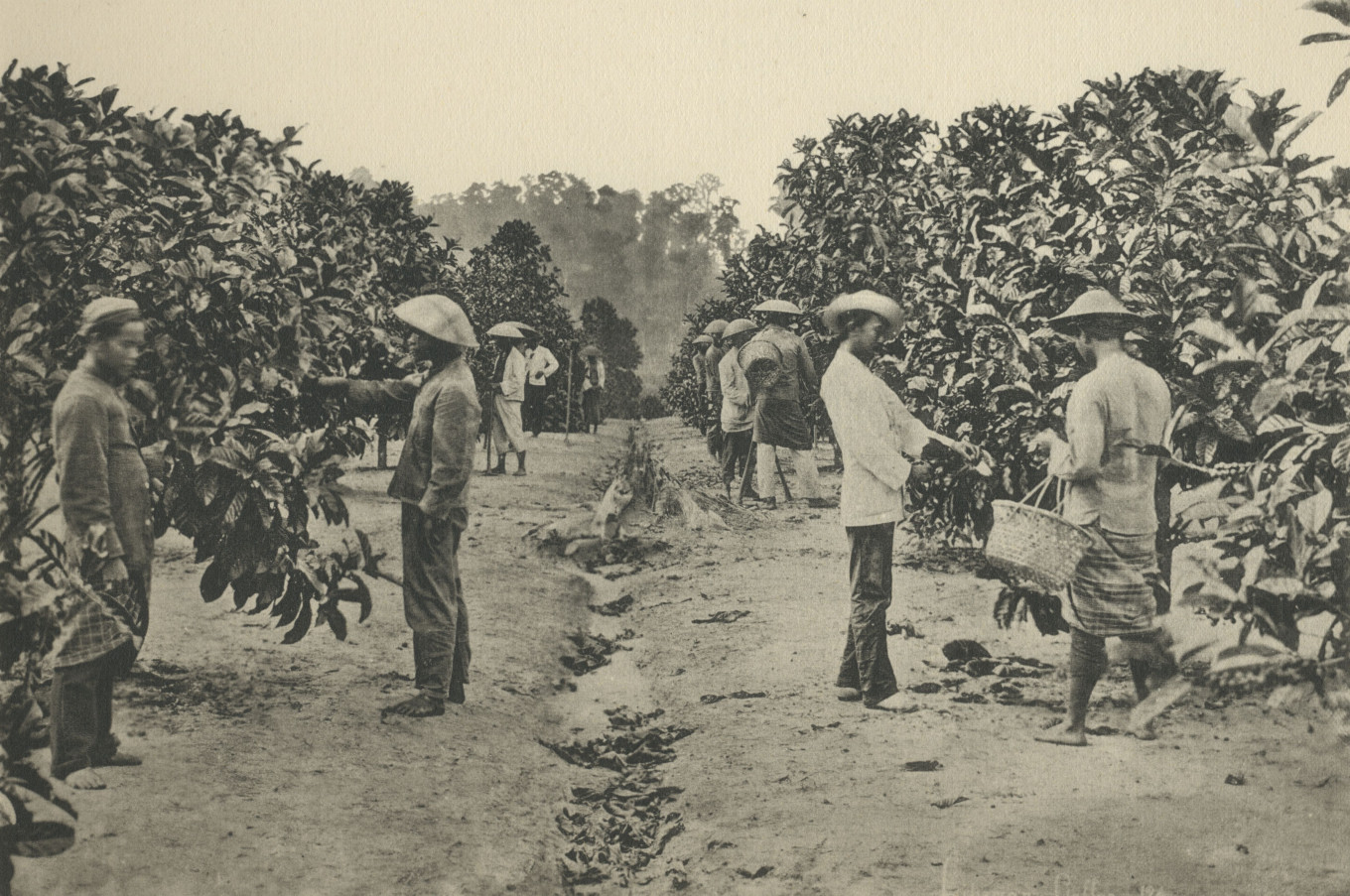
The study showed that the royal family at times profited substantially from the colonial system, mostly from the trade in the Dutch East Indies, modern-day Indonesia
In the 19th century for instance, profits accumulated to around $650 million in modern terms, the researchers said
On the other hand, the family earned “almost nothing” from the slave trade, the research showed
Need help choosing the right university or study destination?
Start your FREE JIUniversity Admission Assessment today and discover the best <a href="https://jiuniversity.com/scholarships-for-international-students-in-belgium/” title=”Scholarships for international students in Belgium”>international study pathway for your academic goals.
Source: www.thejakartapost.com
Tag:benefitted, Dutch, from, House, royal