FAO GLOBEFISH engages students in exploring career opportunities in the fisheries and aquaculture market and trade
FAO GLOBEFISH engages <a href="https://jiuniversity.com/2033-uzbeks-overstay-student-visas-in-south-korea/” title=”2,033 Uzbeks overstay student visas in South Korea”>students in exploring career opportunities in the fisheries and aquaculture market and trade
©FAO/Shirlene Anthonysamy
22/10/2026
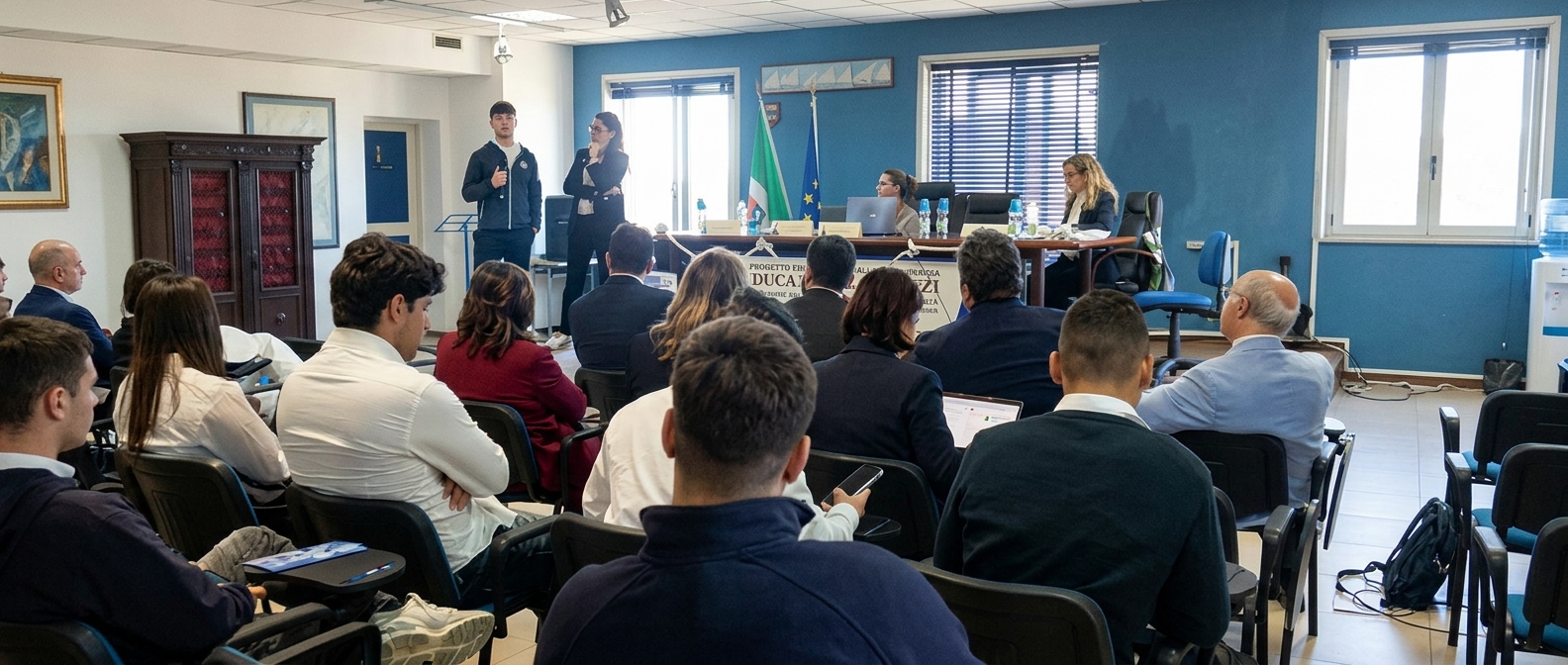
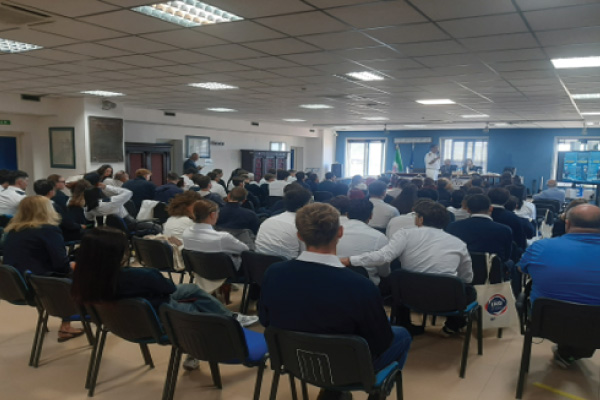
On 14 October, eighty students in the final two years of the Technical Institute for Transport and Logistics “Duca degli Abruzzi” in Naples (Italy) attended the event “Blue Careers: Inspiring the Next Generation for a Sustainable Blue Economy”, while a further 230 students joined remotely. The event was organized by the Italian National Research Council’s Institute for Research on Innovation, International Law and Sustainability (CNR-IRIDIS) as part of the European Commission’s European Maritime Day in My Country 2026 initiative.
The event brought together students, researchers, public institutions, and private-sector representatives to explore career opportunities across the blue economy, with a particular focus on fisheries and aquaculture, aquatic food markets and trade, maritime transport and logistics, environmental protection, and the role of public authorities in blue careers
FAO GLOBEFISH played a central role in the discussions, highlighting the importance of engaging younger generations in fisheries and aquaculture markets and international trade. Representing FAO GLOBEFISH, Shirlene Anthonysamy, Fishery Officer (Markets) and GLOBEFISH Coordinator; Enrica Dagostino, Programme Officer; and Rosa Federica Grassi, Aquatic Food Value Chain Expert, presented the FAO GLOBEFISH work and underlined the wide range of professionals required across all stages of the fisheries and aquaculture value chain, particularly in the market and trade segment.
The FAO GLOBEFISH presentation emphasised that the sector offers diverse career opportunities beyond harvesting and production, including processing, quality management, research, marketing, market analysis, legal services, and international trade. Greater youth involvement is essential to building resilient and sustainable fisheries and aquaculture markets and supporting implementation of Article 11 of the FAO Code of Conduct for Responsible Fisheries, which addresses post-harvest practices and trade.
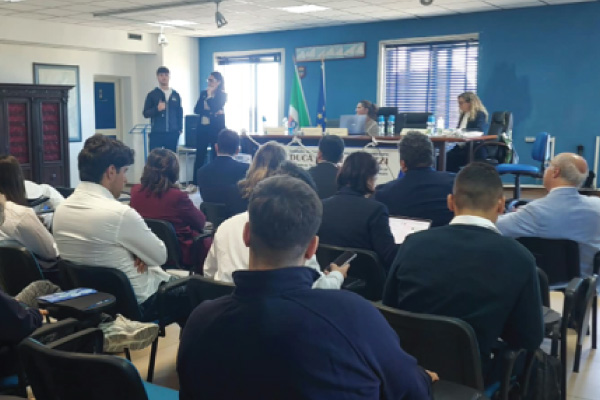
Students shared first-hand experiences from the fisheries and aquaculture sector
Encouraged by the FAO speakers, several students were invited to share their direct experiences from their involvement in the fisheries and aquaculture value chain. Their contributions offered practical insights into the opportunities and challenges associated with family-owned businesses and highlighted the diverse skills and professional expertise required across the aquatic food sector
One student shared his experience of working aboard his family’s fishing vessel during the summer school break. He described fishing as a physically demanding occupation where economic returns can nevertheless be rewarding when catches are good and frustrating when they aren’t. His testimony illustrated both the hard work involved in harvesting aquatic resources and the economic opportunities that the sector can offer.
Another student spoke about working in his family’s restaurant that specialises in fish-based dishes. He explained that his grandfather taught him the importance of handling and preparing fish correctly in the kitchen, emphasising that careful processing and preparation are essential to adding value to the product and meeting customers’ expectations. His experience highlighted how professional skills, product quality, and attention to detail add value to fisheries and aquaculture products throughout the supply chain.
These first-hand accounts reinforced the importance of linking education to real-world professional experience. They also showed how field-based knowledge and skills can support the development of fisheries and aquaculture, from harvesting through to the preparation and marketing of aquatic foods
Building connections between institutions, education, research and employment
The event provided students with an opportunity to learn about emerging professional careers, the skills increasingly sought by the labour market, and the educational and training pathways available to enter maritime and blue economy fields. By fostering direct exchanges between young people and sector representatives, the initiative encouraged students to consider how their studies could translate into future employment opportunities.
Alongside FAO GLOBEFISH, the event included representatives from the Campania Region, the Naples Coast Guard, RINA Services SpA, the University of Naples Parthenope, the University of Naples L’Orientale, and a local mussel Producer Organisation. Their participation gave students a broad perspective on the roles of public institutions, research organisations, universities, and businesses in supporting a sustainable blue economy.
The event concluded with closing remarks from the host school and the Italian National Research Council, recognising the contributions of the participating institutions and the active engagement of the students, both in person and online
Through its participation, FAO GLOBEFISH reaffirmed the importance of bringing fisheries and aquaculture markets and trade closer to younger generations. By combining information on sector developments with direct exchanges and real-life experiences, the initiative helped students better understand the professional opportunities available throughout aquatic food value chains and the role they can play in shaping a sustainable future for the blue economy.
Need help choosing the right university or study destination?
Start your FREE JIUniversity Admission Assessment today and discover the best international study pathway for your academic goals.
Source: www.fao.org

You may also like

The graduates ditching the UK to work abroad