
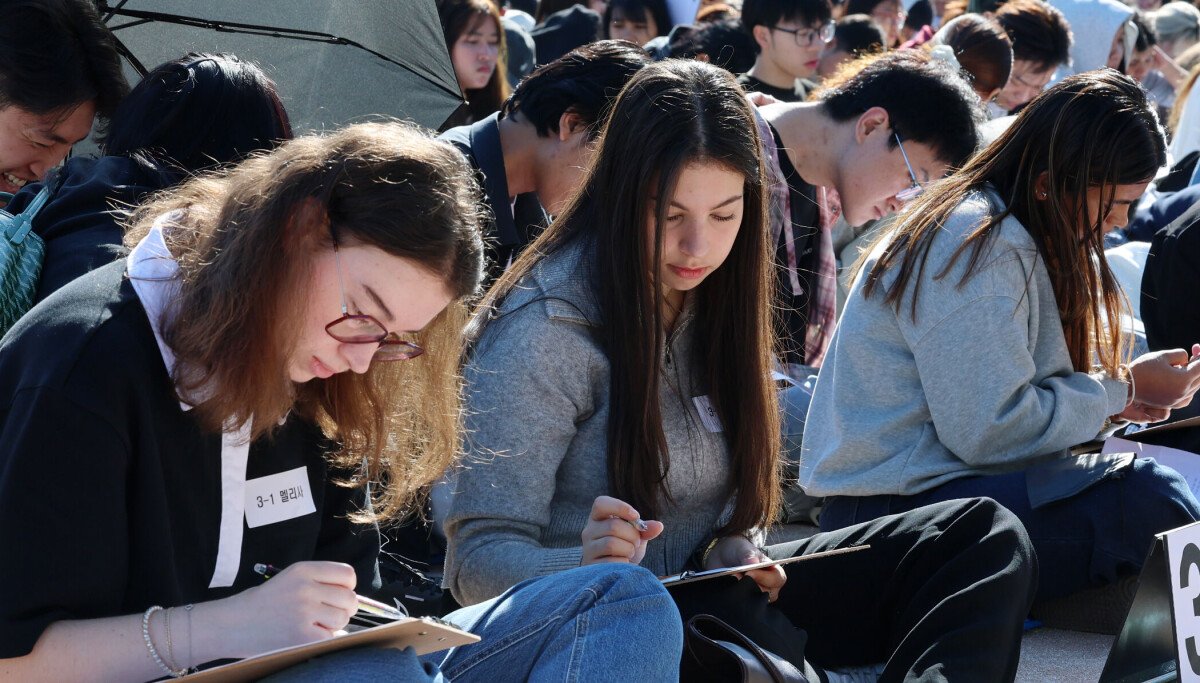
International students fill Korea’s regional labor gaps but face postgraduation visa hurdles
International students are a growing part of the work force in Korea’s shrinking regions, but only about one in three graduates who stay in the country find a job after they finish school. Experts say the country needs policies that help them put down roots in the communities where they study.
A 23-year-old university student from Uzbekistan is confronting that dilemma ahead of graduation. The student moved to Korea with family at age 8 under the father’s business visa but now has to obtain a separate visa after reaching adulthood, either through university enrollment or employment
“There are certain jobs that make it easier to maintain my visa, so I’m not sure what I should prioritize,” the student said. “I want to work in South Gyeongsang, where my family lives, but it’s hard to even find suitable jobs outside the Seoul metropolitan area.”
In 2025, Korea had 2.81 million people with migrant backgrounds — which includes international students — which accounted for 5.4 percent of the country’s population of 51.82 million, according to the Ministry of Data and Statistics on Thursday.
The share is particularly high among people in their 20s. Some 607,000 people in that age group had migrant backgrounds — or about one in every 10 people in their 20s nationwide. That number rose by 36,000 in a year, the largest increase of any age group
The rise partly reflects efforts by the government and local authorities to attract international students
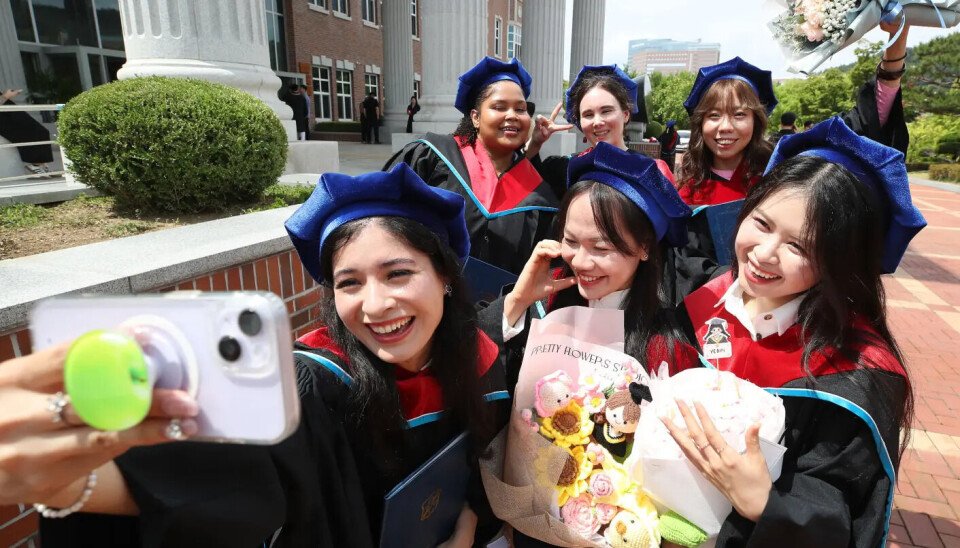
Some 117,000 international students entered Korea in 2025, up 75 percent from 2019, according to the Ministry of Justice. The total number of international students reached 367,000 as of September. Including roughly 30,000 graduates seeking jobs, the figure approaches 400,000
Their economic importance is also growing in regions facing population decline
International students help support the finances of regional <a href="https://jiuniversity.com/10-best-universities-to-study-in-germany-in-english/” title=”10 best universities to study in Germany in English”>universities and provide labor for local businesses, including restaurants
Around 34 percent of the international students in Gangwon work part-time with permission from the Justice Ministry, including in restaurants and lodging businesses, according to the Migration Research and Training Centre
“You go into restaurants around Sokcho and often find international students working both the dining floor and the kitchen,” a local merchant said
A growing number of students have also reportedly been working as delivery riders. Although the work is attractive because they can fit shifts around classes and weekends while earning relatively high pay, the field of work is prohibited for holders of D-2 and D-4 student visas. Under the current law, foreigners must possess either an F-2 long-term residency visa, an F-5 permanent residency visa or an F-6 marriage migrant visa in order to work as a delivery rider.
“Many students want to work beyond the permitted hours because of high housing and living costs, while others avoid reporting their income [to the authorities] because they do not want the 3.3 percent income tax withheld,” said Choi Seo-ri, a principal research fellow at the Migration Research and Training Centre
Students with work experience in Korea are also more likely to want to stay
Around 70 percent of international students who had worked part-time said they wanted to remain in Korea after graduating in a survey conducted by local news outlet etoday in August
Unlike young Koreans, who tend to gravitate toward the Seoul metropolitan area, international students also showed a strong tendency to settle where they attended university, even if they are in suburban regions outside the capital.
More than half of employed international students in every region except Gangwon, where the figure was 48 percent, found jobs in the same area as their university, according to the Justice Ministry.
The bigger hurdle comes after graduation
Only 34.3 percent of the 150,000 international students who graduated from Korean universities between 2019 and 2025 and remained in the country found jobs That was about half of the 69.5 percent employment rate for Korean university graduates in 2024
Experts say Korea needs to better connect young migrants with jobs that regional communities need, creating a cycle that benefits both local economies and the students who want to stay
The Korea Immigration Service announced visa reform measures in October aimed at attracting international students and helping them settle in Korea based on regional development and industry needs
“Some jobs may put Korean young people and international students in direct competition, but overall the positive effects are likely to be greater,” said Lee Jong-kwan, professor of economics at Yonsei University and head of the school’s Institute of Population and Human Capital in the school’s Migration Research Hub. “The goal should be to create a virtuous cycle in which international students fill regional labor shortages, help local economies grow and ultimately increase employment for Koreans as well.”
Need help choosing the right university or study destination?
Start your FREE JIUniversity Admission Assessment today and discover the best international study pathway for your academic goals.
Source: www.koreajoongangdaily.com
Tag:fill, International, Koreas, regional, Students