Korean graduates’ job crisis deepens as first-time seekers pile up
More than 480,000 university graduates were unemployed in the second quarter — the highest level in five years — with the rapid adoption of AI expected to make hiring even tougher
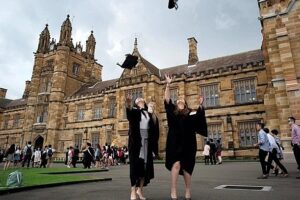
An executive at a public organization surnamed Jeong is nearing retirement and is more concerned about their child’s future than their own
Jeong’s son, who graduated from a humanities program at a university in Seoul, was rejected by every conglomerate he applied to during last year’s entry-level recruitment season and has yet to receive a job offer this year
“It breaks my heart because he seems to be losing confidence after failing to get past even the document screening stage at some companies, let alone reaching the interview,” Jeong said
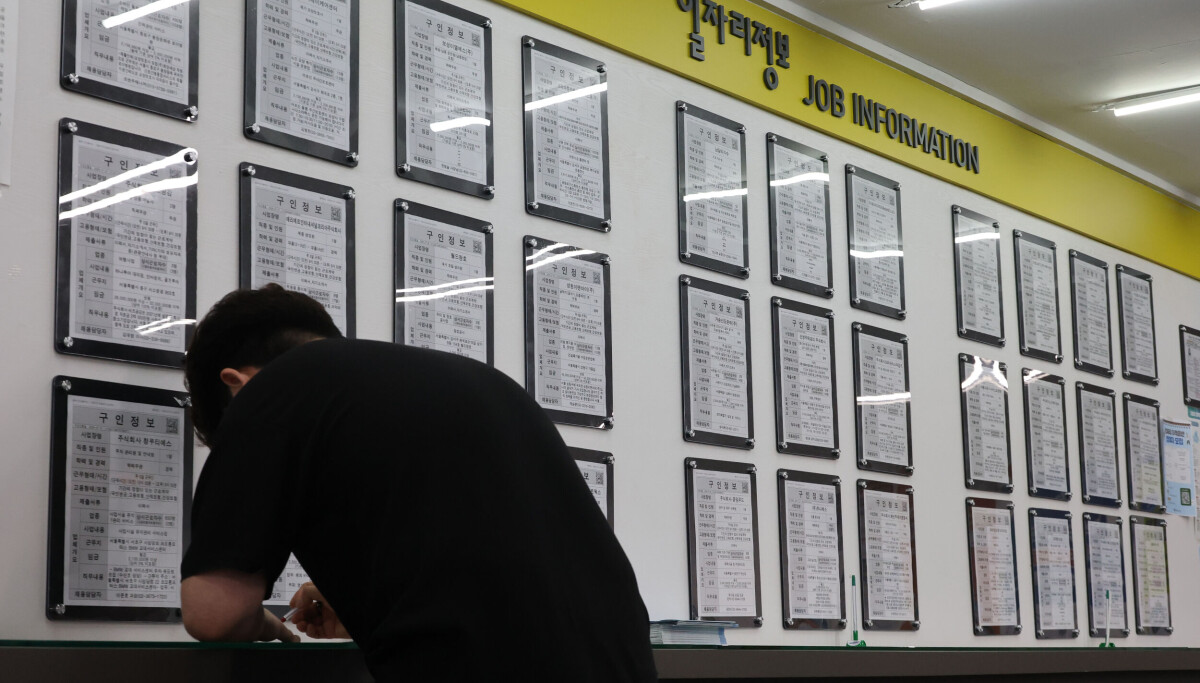
A total of 481,000 people with at least a university degree were unemployed in the second quarter, up by 39,000 from a year earlier, according to the Korean Statistical Information Service. The figure was the highest for any second quarter since 2021, when unemployment reached 521,000 during the Covid-19 pandemic
Among unemployed university graduates in the second quarter, 179,000 were in their 20s, up by 7,000 from a year earlier. Another 130,000 were in their 30s, up by 27,000 from a year earlier. The two age groups accounted for 309,000 people, or 64.2 percent of all unemployed university graduates
Even more concerning is the growing number of unemployed people who have never held a job
There were 56,000 unemployed people in the second quarter who had never had a job, up by 7,000 from a year earlier. Among them, 48,000 were in their 20s, an increase of 11,000 from the previous year
“From companies’ perspective, hiring new employees is essentially an investment,” said Lee Jung-hee, a professor of economics at Chung-Ang University. “But to cut costs, companies are reducing entry-level hiring and instead prefer candidates with prior experience who can still be classified as entry-level employees. That is delaying young people’s entry into the labor market.”
A sharp increase in semiconductor exports has helped revive the economy, but the recovery has yet to translate into stronger employment as the industry creates relatively few jobs
Prolonged weakness in the manufacturing and construction sector, which largely determines the scale of new hiring, has left many young people with few employment opportunities
In June, there were 29.15 million employed people, up by 63,000 from a year earlier, returning to an on-year growth after the previous month’s decline. But employment among young people aged 15 to 29 fell by 197,000 from a year earlier. The youth employment rate also dropped by 1.7 percentage points to 43.9 percent, marking its 26th consecutive monthly decline since May 2024
The outlook is even more concerning as the rapid adoption of AI could weaken the youth labor market
Korea’s AI adoption rate is projected to rise from the current 6 percent to 50 percent within the next decade, according to a report by the National Assembly Budget Office. That is the fastest projected increase among Korea and the Group of 7 countries. AI adoption in the United States and Britain is projected to rise from about 5 percent to 48 percent and 47 percent, respectively
Employment in professional, scientific and technical services has declined for three consecutive quarters from the fourth quarter of last year through the second quarter of this year, according to the Ministry of Data and Statistics. In the second quarter alone, employment in those sectors fell by 88,000, the largest decline since related statistics began in 2013. Job losses have already become pronounced in occupations with high exposure to AI, including lawyers, accountants and service sector employees. The impact could become even greater if AI use expands further into manufacturing.
Employment is generally considered a lagging economic indicator, typically reflecting changes in economic conditions after a delay of six months to one year. Although stronger economic growth usually leads to gradual improvements in the labor market, analysts say this time could be different because the effects of AI remain unprecedented and difficult to predict
“If companies reduce hiring as they seek to improve productivity through AI, it will become even harder for young people without experience to enter the labor market,” Prof. Lee said. “We need to create opportunities that allow them to gain meaningful work experience.”
The government has also stepped up its response. After announcing a youth New Deal initiative in April, it plans to unveil additional measures in September. The package is expected to provide fiscal, tax and financial support beginning with recruitment and work force entry
“Young people will be the top investment priority for the future response fund, which will be financed through additional tax revenue,” said Minister of Planning and Budget Park Hong-keun during a YouTube appearance on Sunday. “Recent challenges facing young people are interconnected across employment, housing, assets, marriage, childbirth and child care, so we will make large-scale investments in tailored policies.”
Need help choosing the right university or study destination?
Start your FREE JIUniversity Admission Assessment today and discover the best international study pathway for your academic goals.
Source: www.koreajoongangdaily.com