
France, Greece, and Netherlands see steep fall in crisis-resilience, study finds
More than a third of people who receive warnings of disasters are unable to act before they strike, according to a global poll. Social resilience has fallen also in Poland, Greece, and France
The findings, published by the Lloyd’s Register Foundation on Tuesday (13 October), drew on more than 143,000 interviews conducted by Gallup across 140 countries in 2025
They show that an estimated 1.1 billion people – one in five adults worldwide – experienced a disaster in the previous five years
Almost 220 million received no warning at all
“A warning is only as good as what people are able to do with it,” said Nancy Hey, director of evidence and insight at Lloyd’s Register Foundation’s Global Safety Evidence Centre
The gap between being warned and being able to respond is stark between rich and poor countries. Adults in low-income countries were almost twice as likely to have been affected by a disaster as those in high-income countries, at 31 percent compared with 16 percent
Yet only 64 percent of affected adults in low-income countries received a warning, against 84 percent in high-income countries
Even when warnings arrive, they do not guarantee safety
The challenge is not simply to warn people when disaster approaches, but to ensure they have the means and support to act
Fewer than half of warned adults in low- and lower-middle-income countries were able to act, compared with 71 percent in high-income countries
The report’s companion study, ‘A resilient life: How wellbeing shapes the capacity to cope’, pictures the preparedness to act under pressure — including in wealthier countries
“There are some changes that are happening in Europe that I’m not seeing in other parts of the world,” Hey told EUobserver
Across the EU, 77 percent of people affected by a disaster received a warning, compared with 80 percent globally
But only 59 percent of those warned could act, against 64 percent worldwide and 71 percent in high-income countries
“Some of the biggest drops globally have been in Greece, Netherlands, Estonia, and France, which is surprising given that generally that measure is going upwards,” Hey said
Just 29 percent of EU households have a disaster plan, and only 28 percent of people think their national government is well prepared for a disaster
Meanwhile, 44 percent say their government does not care about them at all, compared with 29 percent globally
The differences between countries are stark
In France, 80 percent of those affected received warnings, but only 61 percent could act. Just 22 percent of households have a disaster plan, compared with 47 percent in Germany and 60 percent in Austria. And overall, France’s social resilience has fallen six points since 2021
Greece faces a deeper crisis of preparedness and confidence
Only 55 percent of disaster-affected people received warnings, and just 39 percent of those warned could act. Only 12 percent believe their government is well prepared, while 70 percent say it does not care about them
To read this story, log in or subscribe
Enjoy access to all articles and 25 years of archives, comment and gift articles. Become a subscriber for as low as €1,75 per week
Read without limitsAlready a subscriber? Login




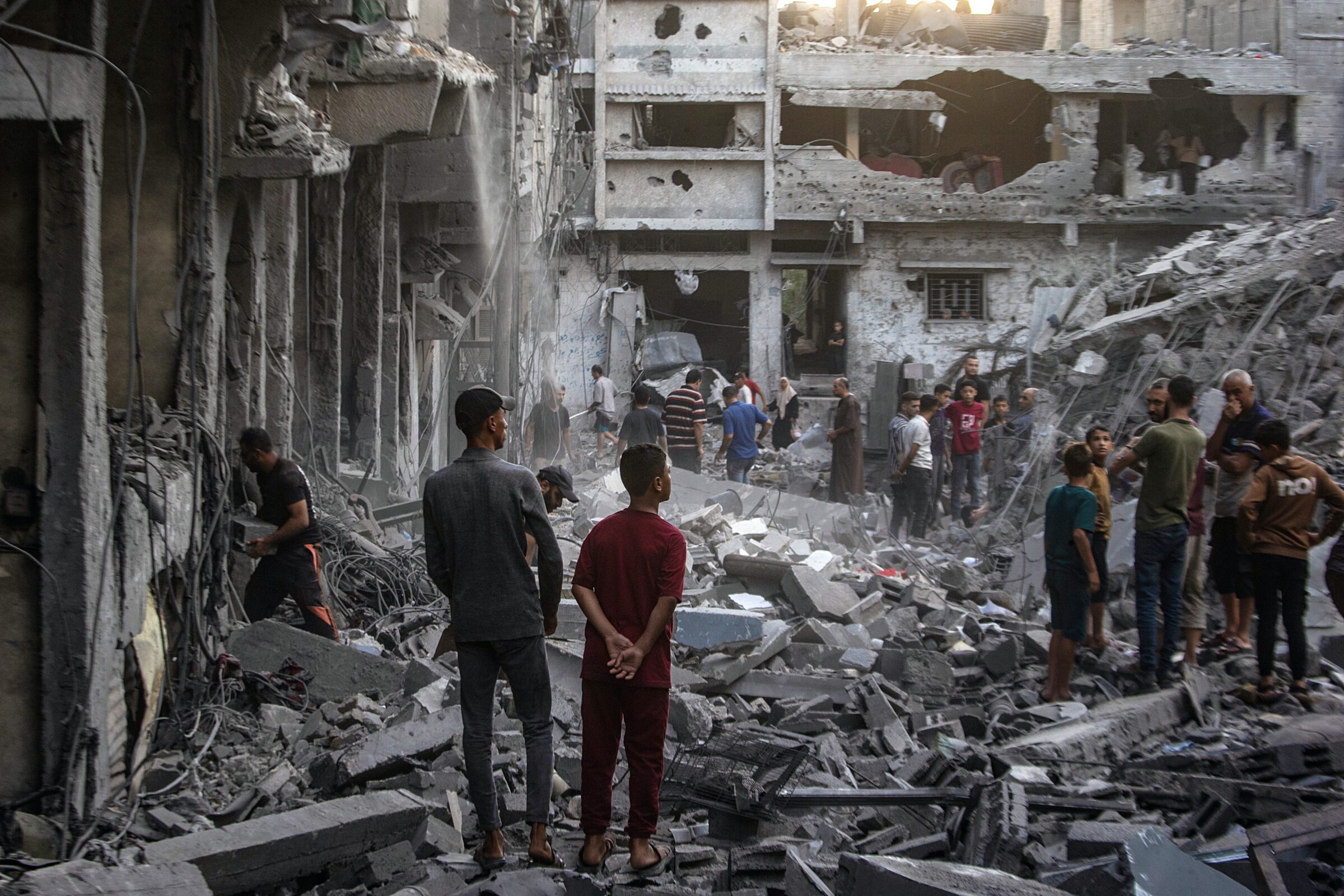
Colombia has reached at least 3,970 people injured and about 379 missing, according to the report from Colombia’s National Unit for Disaster Risk Management. EPA/Carlos Ortega.
Need help choosing the right university or study destination?
Start your FREE JIUniversity Admission Assessment today and discover the best international study pathway for your academic goals.
Source: euobserver.com
Tag:Fall, France, Greece, Netherlands, steep

You may also like