
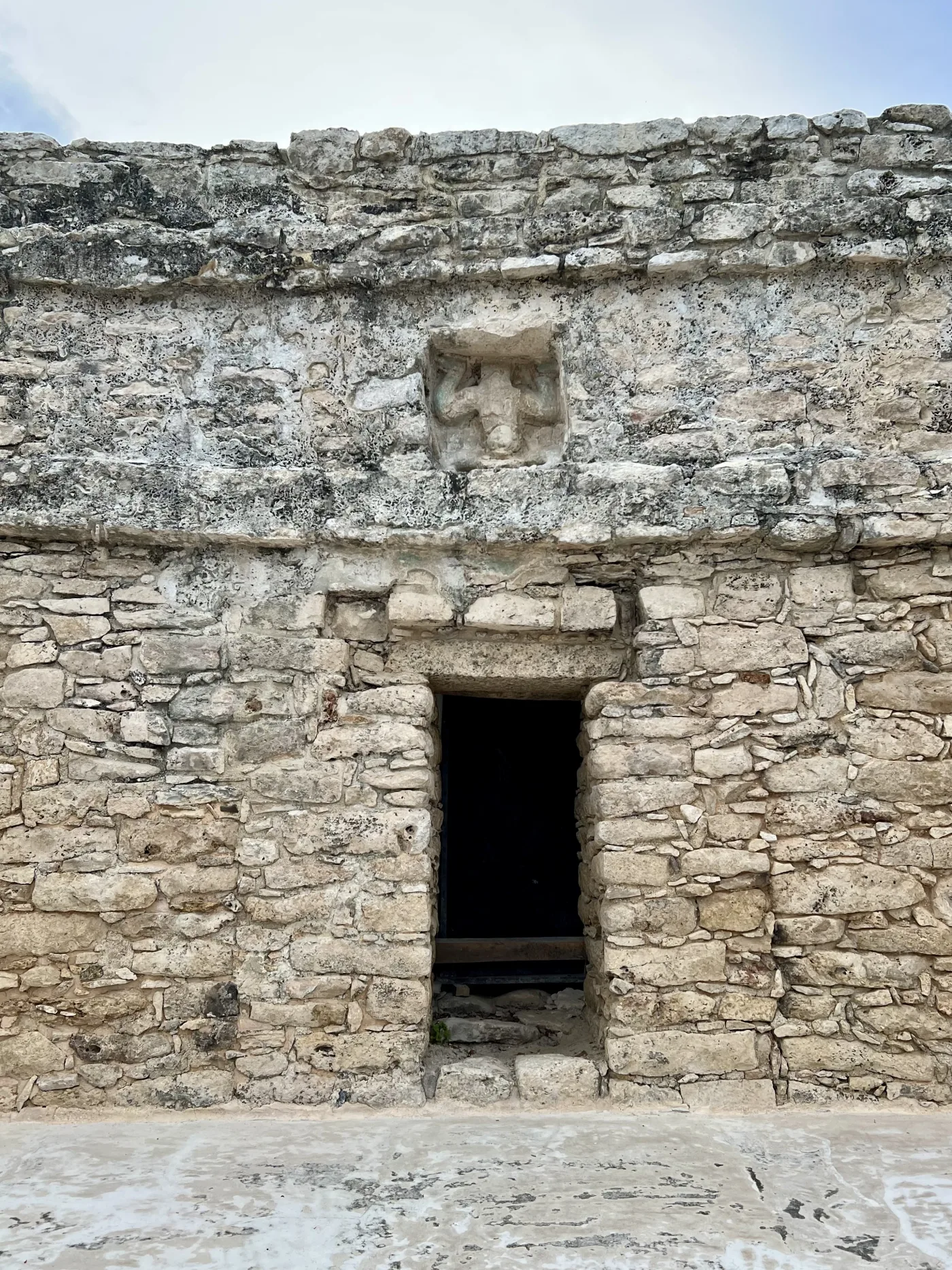
Mexico: Maya Mercury Contaminated Two Lakes for Centuries
World
Mexico: Maya Mercury Contaminated Two Lakes for Centuries
SUMMARY
- Cinnabar, a precious pigment in Maya rituals
- Possible consequences for the inhabitants
Two lakes in the Mexican Yucatán Peninsula experienced significant mercury contamination during the occupation of the ancient Maya cities of Cobá and Xcach. A study published on Wednesday, November 4, 2026, in the journal Science Advances reveals that concentrations of this toxic metal exceeded the danger thresholds established today for aquatic ecosystems for centuries
At Cobá, the sediments show a peak of pollution around the years 250 to 400 CE, at the beginning of the Maya classical period. The site of Xcach presents several episodes, notably between 125 and 200, and then between 535 and 820. These concentrations are among the highest measured in deposits from the Maya era, according to the researchers
The sediment cores also contain traces of a profound degradation of the aquatic environment. During the contamination phases, the indicators of the presence of algae, bacteria, and cyanobacteria decline, while organisms such as freshwater snails and small crustaceans significantly decrease or disappear from the samples. The researchers see this as evidence of a disruption in the food chain of the lakes.
Cinnabar, a precious pigment in Maya rituals
This pollution is associated with the use of cinnabar, a red mineral containing mercury sulfide. The Mayas used it to color temples, murals, and certain objects, as well as during ceremonies and funerary rites. The pigment could then enter the surrounding soils and waters through runoff
The team led by Matthew Neal Waters from Auburn University in the United States compared the sediments of Cobá and Xcach with those from other bodies of water. The absence of comparable peaks in two control lakes supports the hypothesis of localized inputs related to human activities, rather than that of widespread atmospheric contamination
Possible consequences for the inhabitants
Mercury can also accumulate in aquatic organisms. Savanna Lee Wooten, a co-author of the study, thus mentions a possible exposure of the inhabitants through water or the consumption of fish. However, the researchers did not directly measure the exposure of ancient populations and cannot deduce specific health effects from it
Cobá had, according to estimates cited by researchers, between 60,000 and 90,000 inhabitants during the classic period. The study does not demonstrate that mercury caused the decline of the Maya cities; it identifies an additional environmental pressure, alongside droughts, deforestation, and soil degradation already documented in the region
Need help choosing the right university or study destination?
Start your FREE JIUniversity Admission Assessment today and discover the best international study pathway for your academic goals.
Source: beninwebtv.com
Tag:Contaminated, Lakes, Maya, Mercury, Mexico

You may also like

Drums of Benin

Working on a student visa in France
