Visa hurdles, high tuition costs creating a ‘perfect storm’ for lower international student enrollment
New international student enrollment at U.S. colleges and universities dipped by a double-digit percentage this fall for the second year in a row, according to data from the nonprofit Institute of International Education based on responses from 809 U.S. higher education institutions
The 15% decline nationwide highlights barriers overseas students are facing in the U.S. from rising tuition costs and visa restrictions under the current federal administration. In fall 2025, new international student enrollment tumbled 18% from the year prior, according to a more comprehensive IIE study
“The U.S. education system is among the most expensive education systems in the world,” said Fanta Aw, the CEO of NAFSA: Association of International Educators. “When you add to that increased competition from other destinations and now this unpredictability of visa appointments, this is the perfect storm, I would call it.”
Massachusetts enrolls the fourth-highest number of international students behind New York, California and Texas. Last year, the number of total foreign students studying in the state fell 4% from the year prior, and new student enrollment dropped 17%, IIE told WBUR
Local universities are noticing the decline in enrollment particularly at the graduate level
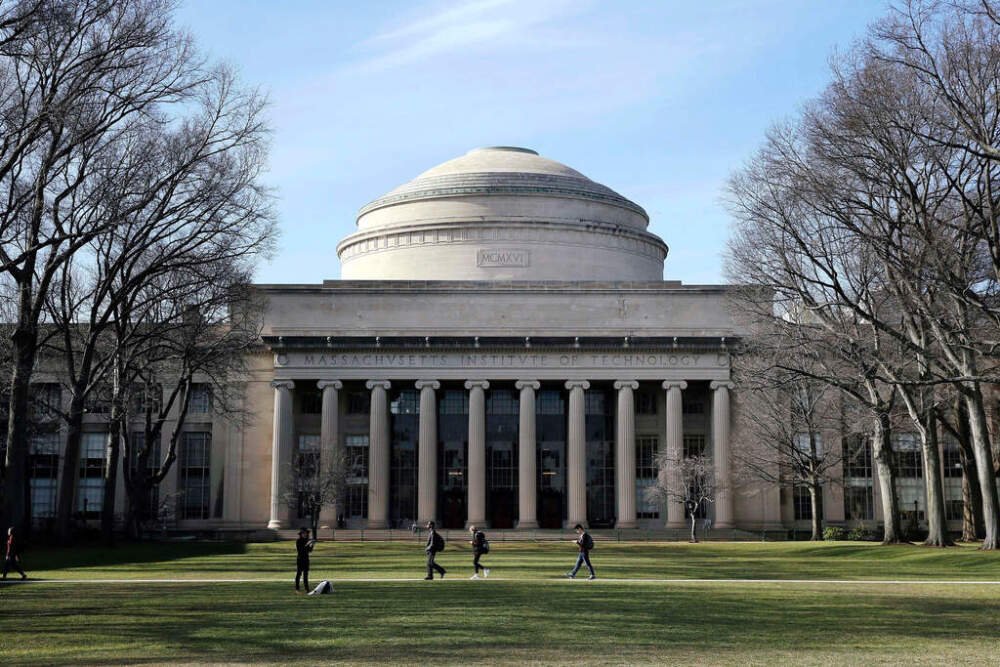
At MIT, where overseas students make up roughly 40% of total graduate enrollment, there are 88 fewer enrolled graduate international students this fall, bringing their totals below 2,900 for this first time in six years at the STEM-focused institution
On top of visa challenges, MIT is also grappling with depressed federal funding, president Sally Kornbluth said in a video message to the MIT community this past spring
“We’ve already seen clear signs that policy changes affecting international students and scholars are discouraging extremely talented individuals from applying to join our community,” she said in her message. This will have spillover effects, she added, among them, “undergraduates will have fewer grad students as mentors in their research.”
Lower international student enrollment could have broader economic impacts: NAFSA estimates the roughly 80,000 international students studying in Massachusetts support more than 26,000 jobs and contribute $3.3 billion to the state’s economy
A spokeswoman for Boston University, where the undergraduate and graduate student population is made up of about one-third international students, said undergrad enrollment from abroad is “strong and stable” this year while graduate international enrollment “has softened.” She declined to provide specific figures
Northeastern University, which enrolls the highest number of international students in the state, said total international student enrollment was down 13% from last fall
During a press briefing with reporters last week, Mirka Martel, head of research at the Institute of International Education, said the decline in international graduate enrollment last year was primarily driven by a 22% decline in master’s <a href="https://jiuniversity.com/china-offers-200-masters-degree-scholarships/” title=”China offers 200 Master's degree scholarships”>degree students, especially applicants from India
“Over the last five years, international graduate numbers first soared following the COVID-19 pandemic, particularly at the master’s level for three years, and have since eased,” she said
Martel cited three factors: increased global competition from institutions outside the U.S., impacts of new visa policies and costs of a U.S. higher education degree, as international students often pay full tuition
Since 2025, the Trump administration’s restrictive policies have squeezed the pipeline of international students coming to or staying in the U.S. They include a travel ban against certain countries, student visa terminations and more recently, an effort to impose a four-year cap on international students’ duration of status in the U.S., though that’s been temporarily blocked by a federal judge
In addition, the U.S. Department of Homeland Security last month proposed a new $70,000 fee for international students who want to remain in the U.S. and work in their field of study during or after graduating
The so-called “optional practical training” program, or OPT, historically has been a huge draw for foreign students to come study in the U.S., according to NAFSA’s Aw
“That experience matters a great deal for when they then go back home, because they have a competitive advantage versus those who just spend their entire time studying and never actually get to put that into practice,” she said
But the new fee could dampen their interest to come here
“We had 95% of institutions tell us that international students would likely look to another country if OPT was not available,” IIE’s Martel said in the call with reporters
That cost would fall to the institutions. During a public comment period on the proposal that closed last week, Boston University was among the slew of institutions writing a letter in opposition, saying the policy would incur more than $175 million in fees annually for the institution
“BU cannot absorb costs on this scale and OPT would be placed out of reach for many students as a result,” the letter, co-signed by president Melissa Gilliam and provost Colin Duckett, stated
DHS indicated it could “revise the rule based on public feedback” but has put no timeframe on issuing a final regulation or implementation. Aw said if formalized, the policy would be challenged in court
The one area of growth in international student enrollment in the U.S. was among community colleges offering two-year associate’s degrees Those institutions saw a 3% bump in international enrollment last year
Need help choosing the right university or study destination?
Start your FREE JIUniversity Admission Assessment today and discover the best international study pathway for your academic goals.
Source: www.wbur.org

You may also like